

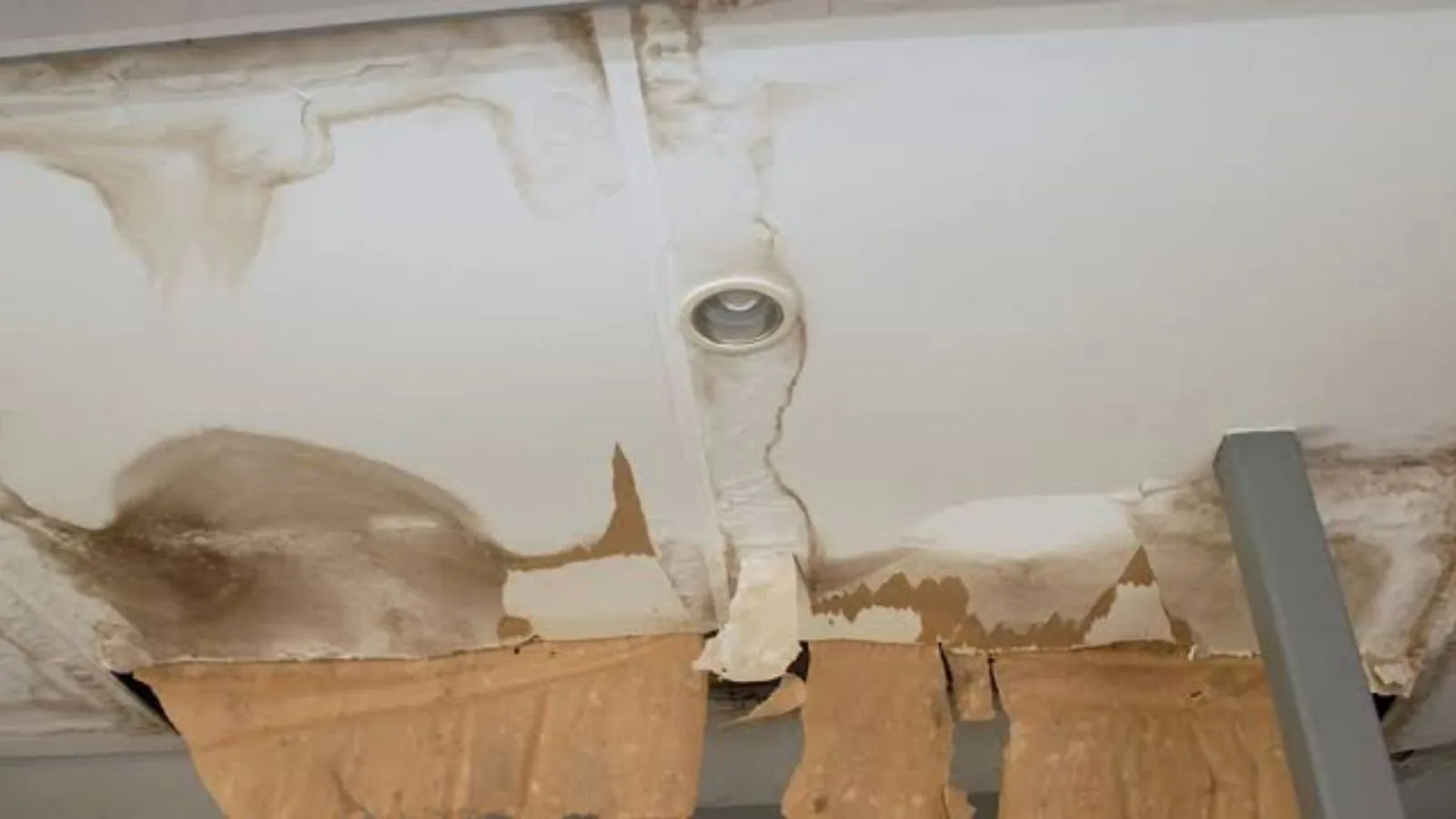
Knowing whether a leak is covered is one question. Knowing what to do about it, step by step, is another. This guide is about the second one. It assumes a typical indoor leak and walks through the claim in order.
Nothing here is legal or insurance advice. Your policy and your insurer set the actual rules, so use this as a checklist to discuss with them.
Step 1: The First Hour
- Stop the water at the fixture valve or the main valve.
- Make the area safe. Keep away from wet outlets and sagging ceilings.
- Take photos and a slow video of every wet room before moving anything.
- Move belongings out of the water and note anything that is ruined.
- Write down the time you found the leak and what you think caused it.
Those first photos are the most valuable record you will have. Cleanup changes the scene quickly, and an adjuster may not arrive for days.
Step 2: Before the Day Ends
Report the loss to your insurer or agent. Ask for a claim number, the name of the adjuster and whether they have any instructions about emergency work.
Start drying. Policies generally require reasonable steps to prevent further damage. A restoration crew will extract water, set drying equipment and begin a daily log of moisture readings, as the ANSI/IICRC S500 standard describes. If a ceiling is involved, read about ceiling water damage repair. For soaked walls, see wall and drywall repair.
Keep the failed part if you can do so safely. A split hose or cracked fitting shows that the loss was sudden.
Step 3: Before the Adjuster Visits
Build a simple file. It does not need to be fancy, but it should be complete.
| Item | Why it matters |
|---|---|
| Photos and video from the first hour | Shows the original extent of damage |
| Contents list with rough ages and values | Basis for the personal property part of the claim |
| Itemized restoration scope | Shows what work is proposed and why |
| Daily moisture readings | Shows the drying was necessary and when it finished |
| Receipts for emergency costs | Supports reimbursement |
| Plumber or roofer invoice naming the cause | Supports the sudden and accidental nature of the loss |
Do not throw away damaged items until the adjuster has seen them or told you that photos are enough.
Step 4: The Adjuster Visit
Walk the adjuster through every affected room, including the ones that look dry now. Hand over copies of your file and keep the originals.
Ask three questions. What is covered and what is not? What is the deductible? How will payment be made, and is any part held back until repairs are complete? Write the answers down with the date.
If the restoration scope and the adjuster's estimate differ, that is normal. The two can usually be compared line by line. A crew can explain its scope, but the coverage decision is the insurer's.
Step 5: Drying Ends, Repairs Begin
Drying is finished when moisture readings match a dry part of your house. Ask for the final readings in writing before walls are closed. Rebuilding over damp framing is the most common cause of later problems.
The Missouri Department of Commerce and Insurance explains one detail that catches people out. If your policy pays replacement cost on contents, the insurer may first pay the depreciated value and then pay the difference after you replace the item and send receipts. Keep every receipt.
Step 6: If You Disagree
Start with the adjuster and ask for the reason in writing, with the policy language it relies on. You can then ask for a supervisor review.
Missouri residents who cannot resolve a dispute may file a complaint with the Missouri Department of Commerce and Insurance, which operates a consumer hotline and complaint process.
Local Note for Grandview, MO
Two Grandview points
After the July 2017 flooding, Grandview officials reminded the public that residents and landlords are responsible for repairing damage to their own private property, and encouraged residents to report damage to the city because the totals affect eligibility for outside aid. The same holds after any widespread event: repair your own home, and report to the city as well.
For repairs that open walls, the Grandview Building Services Division carries out a rough-in inspection before insulation or drywall is installed on permitted work. Ask the division whether your repair needs a permit. Source types: local public radio reporting and the city website.
Help in Nearby Towns
The same sequence applies to homes in Lee's Summit and Pleasant Hill, though each city has its own permit office.
Water Leak Claim FAQs
Prefer to talk it through with a person? Call (833) 521-1033 at any hour.
Should I report damage to the City of Grandview as well as my insurer?
After a widespread storm or flood, yes. In 2017 the city asked residents to report damage because the figures counted toward possible state or federal assistance. For an ordinary indoor leak there is nothing to report to the city unless a permit is needed for repairs.
How long do I have to file a claim?
Policies require prompt notice, and the exact wording varies. Report right away if you can, and ask your insurer about any deadlines for submitting documents.
Can I choose my own restoration company?
In general you can hire the contractor you prefer. Your insurer may suggest companies, but ask them directly whether the choice is yours.
What if more damage is found after the claim is settled?
Tell your insurer straight away and send photos. Hidden damage found during repairs is commonly handled as a supplement to the original claim.
Found a leak today? Stop the water, take photos, then call the 24/7 line.
☎ Call (833) 521-1033