

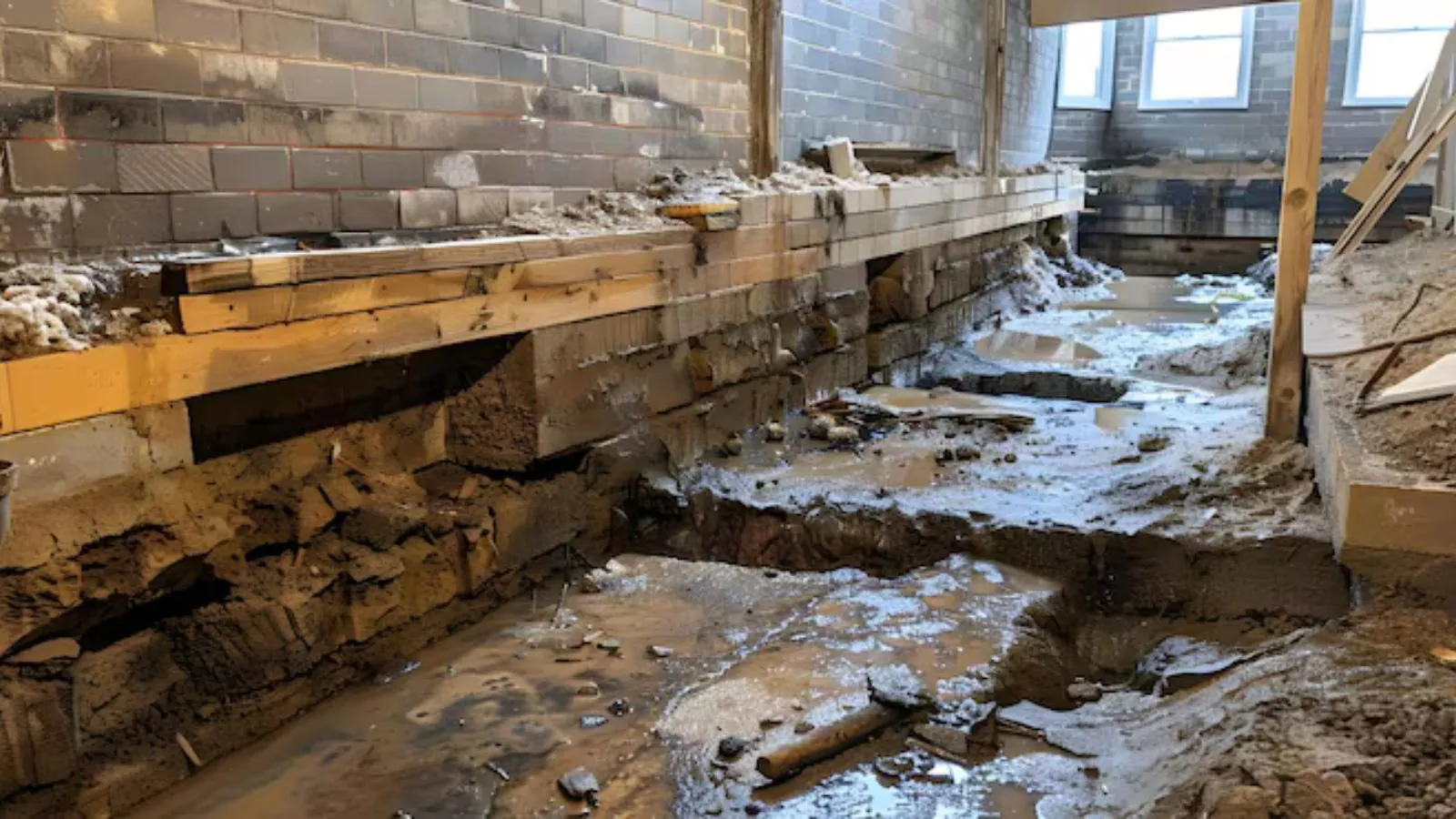
When a restoration crew arrives, one of the first things they decide is the category of the water. It sounds like jargon, but it determines whether your carpet can be kept, how much drywall comes out and what protective gear the crew wears.
The categories come from ANSI/IICRC S500, the published industry standard for water damage restoration. Here is what they mean in plain terms.
The Three Categories at a Glance
| Category | Also called | Typical sources | General handling |
|---|---|---|---|
| 1 | Clean water | Supply lines, faucets, water heaters, rain that has not crossed dirty surfaces | Most materials can be dried in place if started promptly |
| 2 | Gray water | Washer and dishwasher discharge, aquarium water, toilet overflow with urine only | Carpet pad replaced, surfaces cleaned, more removal |
| 3 | Contaminated water | Sewage, rising floodwater, water that has passed through soil | Porous materials removed, structure cleaned and disinfected, protective gear |
Category 1: Clean at the Source
Category 1 water comes from a sanitary source and poses no substantial risk from contact. A split supply line under a sink is the classic example. Carpet, pad, drywall and wood wet by Category 1 water can often be dried and kept.
The catch is that clean water does not stay clean. Once it runs across a floor, soaks through a ceiling full of dust or sits for a couple of days, it picks up contamination.
Category 2: Significant Contamination
Category 2 water contains enough contamination to cause discomfort or sickness if swallowed. Wash water from a washing machine or dishwasher is a common source. It carries detergent, food residue and microorganisms.
Hard surfaces are cleaned and dried. Carpet may be cleaned and kept, but pad is normally replaced because it cannot be cleaned effectively.
Category 3: Grossly Contaminated
Category 3 water can contain pathogens and toxic substances. Sewage is the obvious case. Less obvious is floodwater from rivers and streets, which the standard also places in Category 3 because of what it carries.
Porous materials that absorbed Category 3 water are removed: carpet, pad, drywall, insulation and upholstered furniture. Structural wood and concrete are cleaned, disinfected and dried. Homeowners should stay out of the area. A drain backing up into a home is an example, and it is handled as sewage backup cleanup.
How Water Changes Category Over Time
Time and temperature degrade water quality. A clean-water leak found after three days in a warm house is no longer treated as Category 1. Odor is a practical sign that the category has shifted.
This is the main reason speed matters. Starting extraction on the first day often keeps a loss in the category where most materials can be kept. Standing water is removed through emergency water extraction.
Category Is Not the Same as Class
Crews also talk about the class of a loss, which is a separate idea. Category describes how dirty the water is. Class describes how much water has been absorbed and how hard it will be to dry.
| Class | Plain meaning |
|---|---|
| 1 | A small area, materials that absorb little |
| 2 | A whole room, carpet and pad wet, walls wicking |
| 3 | Water from overhead, ceilings, walls and floors saturated |
| 4 | Dense materials such as hardwood, plaster or concrete holding bound water |
A loss can be Category 1 and Class 4 at once: clean water, but soaked deep into hardwood. That would be a safe job that still takes a long time to dry.
What to Do With This Information
- Tell the dispatcher where the water came from. It sets the category.
- Say how long it has been there. It may have changed the category.
- Stay out of Category 3 water and keep children and pets away.
- Ask the crew which category and class they assigned and why.
- Expect more removal, and more protective equipment, as the category rises.
Local Note for Grandview, MO
Three Grandview examples
Tap water in Grandview is supplied by Jackson County Public Water Supply District No. 1, according to the city utility page. A break in a supply line inside your home starts as Category 1.
The city Public Works department is responsible for the sanitary sewer system. Wastewater that backs up from that system or from your own sewer line is Category 3 from the first moment.
Floodwater from the Little Blue River, such as the water that entered homes around Merrywood Circle in July 2017, is also Category 3. That is why flooded carpet and drywall were torn out across the neighborhood instead of dried. Source types: city website and local news reporting.
Where We Work
Crews classify and handle all three categories in Grandview, Lee's Summit and Pleasant Hill.
Water Category FAQs
Prefer to talk it through with a person? Call (833) 521-1033 at any hour.
Is rainwater that came through my roof Category 1?
It may start close to clean, but by the time it has passed through roofing, attic insulation and a ceiling it is generally treated as Category 2.
After the 2017 flooding in Grandview, why could neighbors not keep their carpet?
River and street floodwater is Category 3 under the industry standard because of sewage, fuel and soil it carries. Carpet and pad that absorb it cannot be cleaned reliably, so they are removed.
Who decides the category?
The restoration crew assesses it based on the source, the time elapsed and what they observe. You can ask them to explain their reasoning, and it should appear in the written scope.
Does the category affect insurance?
It affects the scope of work, which affects cost. Coverage itself depends on the cause of the loss and your policy. Ask your insurer.
Not sure whether the water in your home is clean or contaminated? Call and describe the source.
☎ Call (833) 521-1033