

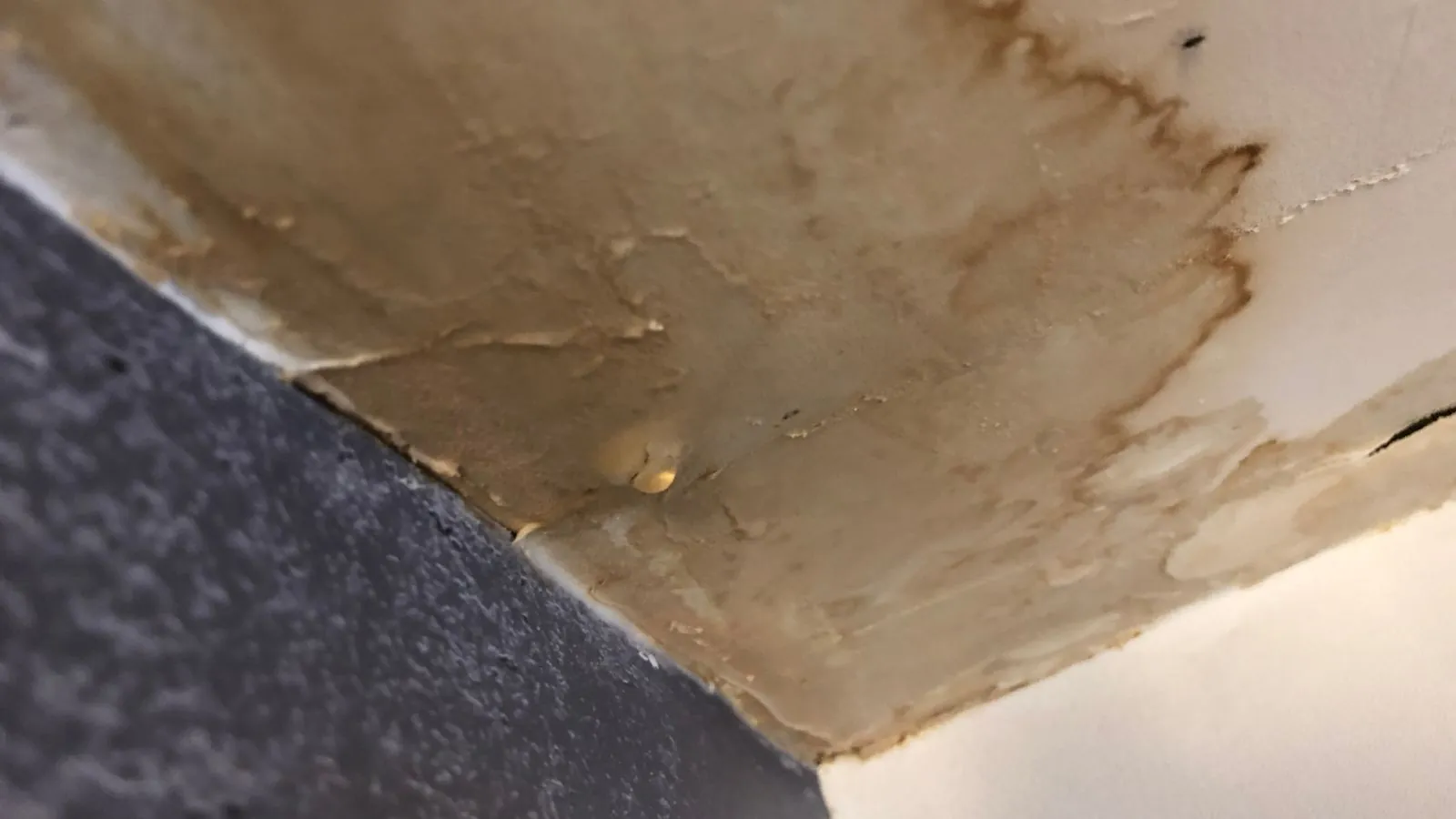
Most people hire a restoration company once in their lives, under pressure, with water on the floor. That is not a good position for comparing contractors. A short list of questions levels things out.
Use these with any company, including this one. A crew that does the job properly will have ready answers.
Before Work Starts
- Are you licensed and insured? Ask for proof of liability insurance and workers' compensation.
- Do your crews follow ANSI/IICRC S500? This is the published industry standard for water damage restoration. It is fair to ask anyone whether they work to it.
- Will you explain the scope and price before work begins? You should know what will be done and how the cost is worked out.
- Will I get the scope in writing? An itemized scope protects both sides.
- What category is the water? The answer shows whether they have assessed contamination.
About the Drying
- How will you find where the water went? Look for moisture meters and thermal imaging, not just a look around.
- How will you decide what to remove and what to dry in place? There should be a reason for each decision, tied to readings.
- How often will you take readings? Daily monitoring is normal practice.
- How will you know it is dry? The sound answer is by comparison with dry materials in the same house, not by a set number of days.
- May I see the moisture log? You should be able to see it at any point.
About Paperwork and Repairs
- What documentation will I receive? Photos, readings and the itemized scope are what an insurer will ask for.
- Do you also do the rebuild? Some companies only dry. If repairs are separate, ask who does them and when.
Answers to Listen For
| Question | Sound answer | Warning sign |
|---|---|---|
| How do you price the job? | Explains the factors and gives a written scope after assessment | A firm price over the phone with no visit |
| How do you know it is dry? | Readings match a dry reference area | Three days is standard for everything |
| What about my insurance? | We document. Your insurer decides coverage. | Insurance will pay for all of it |
| Can you start now? | Yes, after you approve the scope | Sign this first and we will explain later |
| Will everything be kept? | Depends on the readings and the water category | We can dry anything |
Warning Signs
- Pressure to sign immediately, before any assessment
- A demand for full payment up front
- Promises about what your insurer will pay
- Offers to waive or absorb your deductible
- No moisture readings, or unwillingness to show them
- A claim that one product or spray makes drying unnecessary
- No written scope
After a widespread storm, be especially careful with anyone who arrives uninvited. Ask for a business card, the company name and proof of insurance, and take time to check.
Understand What You Are Signing
Read any work authorization before you sign it. It should describe the work and the price or pricing method. If it includes an assignment of your insurance benefits or directs payment to the contractor, make sure you understand what that means and ask your insurer if you are unsure.
Keep a copy of everything you sign.
Questions for Yourself
A few things are worth settling on your side as well. Do you know where the main water valve is? Have you photographed the damage? Have you told your insurer? Do you know your deductible?
If the job involves standing water, the first service will be water extraction. If growth is already visible, ask the same questions about mold remediation and about the S520 standard that covers it.
Local Note for Grandview, MO
Two local checks
Missouri health officials state that the state does not certify mold testers and that no standard of training is required of them. If a company offers testing as part of its pitch, ask who performs it, what their qualifications are and whether they are independent of the company doing the work.
For repairs that require a permit in Grandview, the Building Services Division performs a rough-in inspection before insulation or drywall is installed. A contractor who proposes closing walls on permitted work without that inspection is skipping a step. Ask the division whether your repair needs a permit. Source types: state health department website and city website.
Service Area
Grandview Water Damage Pros welcomes these questions on any call from Grandview, Lee's Summit or Pleasant Hill.
Hiring a Restoration Company: FAQs
Prefer to talk it through with a person? Call (833) 521-1033 at any hour.
Does a restoration job in Grandview need a city permit?
Drying and cleaning generally do not, but rebuilding can, depending on the work. Ask the Grandview Building Services Division. Where a permit applies, a rough-in inspection happens before insulation or drywall goes in.
Should I get more than one estimate?
For repairs, yes, if time allows. For emergency extraction and drying, speed matters more, so choose a company that answers the questions above well and start.
Do I have to use the company my insurer suggests?
Generally you may choose your own contractor. Ask your insurer to confirm how your policy handles it.
What is a fair way to be charged?
An itemized scope based on the measured wet area, the equipment used and the days of drying. You should see it before work begins.
Have questions before you hire anyone? Ask them on the phone. The line is open 24/7.
☎ Call (833) 521-1033