

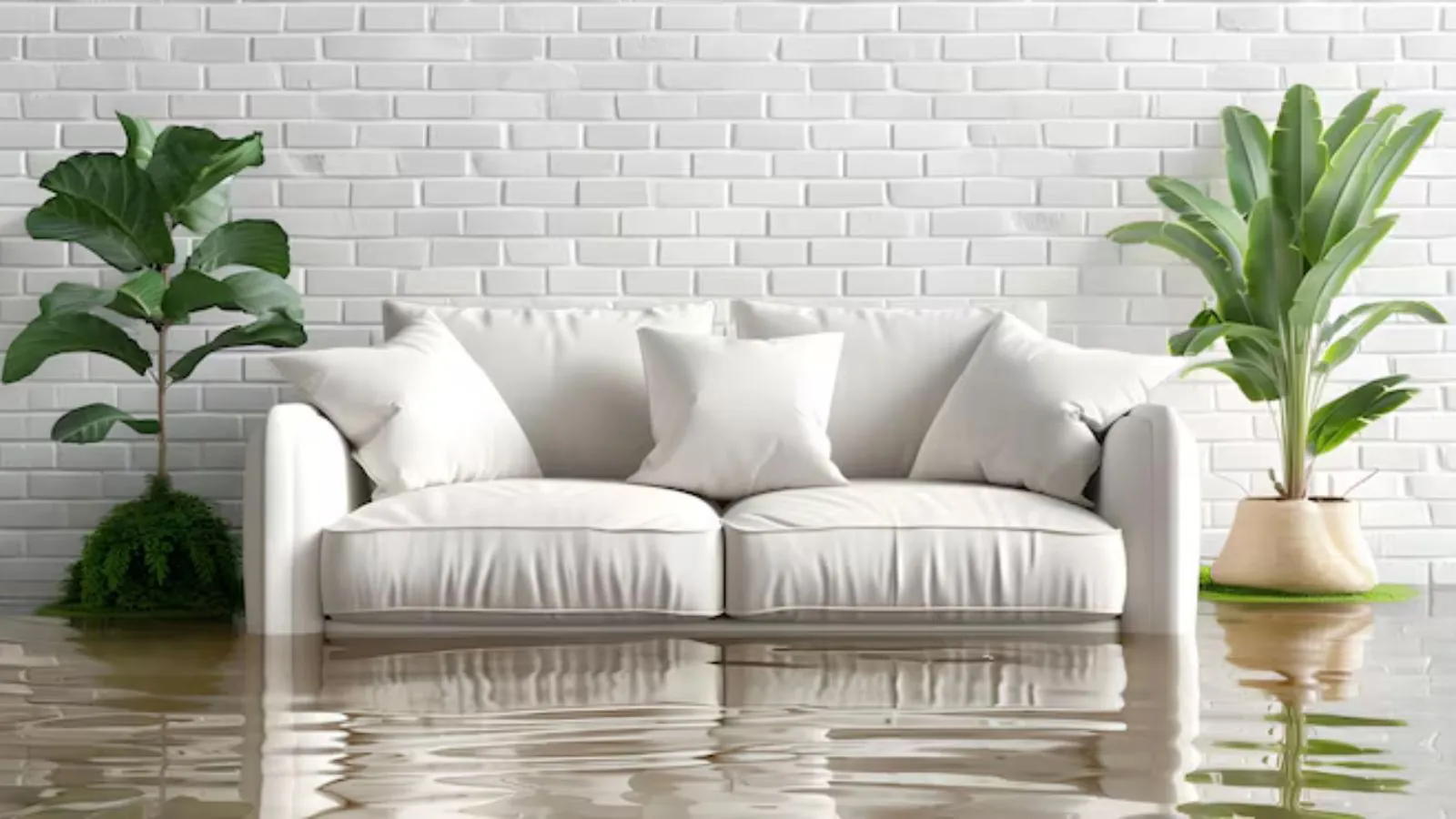
A leak that would be a nuisance when you are home becomes a disaster when you are away. A supply hose that fails at breakfast gets noticed in minutes. The same hose failing on the first day of a week-long trip can run until you return.
Preventing that does not take special equipment. It takes a short routine before you lock the door.
The Single Most Effective Step
Close the main water valve. With the supply off, a failed hose or fitting can release only the water already in the pipes, which is a few gallons at most.
Find the valve now, before you need it. It is usually where the water line enters the house, often in a basement or utility area near the meter. Turn it off and on once to make sure it moves. A valve that is stuck is worth having a plumber replace.
After closing it, open a faucet briefly to release pressure, then close the faucet again.
The Pre-Trip Checklist
| Item | What to do | Why |
|---|---|---|
| Main water valve | Close it | Stops nearly all supply-side leaks |
| Water heater | Set to vacation or pilot mode | Avoids heating a tank with no supply |
| Thermostat in winter | Leave the heat on, no lower than about 55 degrees | Keeps pipes above freezing |
| Washer and dishwasher | Do not leave them running when you go | A cycle that fails mid-fill has no one to stop it |
| Sump pump | Pour water in the pit to test it | Confirms it starts before a storm does |
| Gutters and downspouts | Clear them | Keeps rain away from the foundation |
| Toilets and faucets | Check none are running | Small leaks add up over a week |
| Someone local | Ask a neighbor or friend to walk through | A second set of eyes catches problems early |
Winter Trips: Protect Against Freezing
Leave the heat on. Turning it off to trim the heating bill is how pipes freeze. Open the cabinet doors under sinks on outside walls so warm air reaches the plumbing.
Disconnect garden hoses from outdoor taps and close any inside shutoff for those lines. If the main valve is closed and the lines are drained, a freeze has far less water to work with.
For a long winter absence, a plumber can winterize the plumbing fully. If a pipe does freeze and split while you are gone, the cleanup is covered under frozen pipe water damage.
Summer Trips: Storms and Air Conditioning
Leave the air conditioning on at a higher setting instead of off. It controls humidity, and a closed-up house in a Missouri summer can become damp enough for mildew in a week.
Have the condensate drain line checked at the start of each cooling season, since a blocked line can overflow for days unnoticed. Test the sump pump before you go, and move valuables off the basement floor if heavy rain is forecast.
Appliances and Hoses
Rubber washing machine hoses harden and crack with age. Braided stainless hoses last longer and are inexpensive. Check the manufacture date on the water heater, and look at its base for rust or moisture.
If an appliance does fail while you are away, see appliance leak water damage cleanup for what the drying involves.
Technology That Helps
- Leak sensors. Small battery devices that sound an alarm, and in some models send a phone alert, when they get wet. Put them by the water heater, washer, dishwasher and under sinks.
- Automatic shutoff valves. Fitted on the main line, they close when they detect a leak or unusual flow.
- Smart thermostats. They can alert you if the indoor temperature drops, which is an early warning of furnace failure in winter.
None of these replaces closing the main valve, but they are useful for the rest of the year when you are simply at work.
Ask Someone to Check the House
For any trip longer than a few days, ask someone to walk through every couple of days. Show them where the main valve and the electrical panel are, and leave your number and your plumber's.
Some insurance policies have conditions for homes left unoccupied for extended periods, such as requiring that heat be maintained. Ask your insurer what applies to you before a long absence.
If You Come Home to Water
- Do not walk into standing water if outlets or appliances are wet.
- Close the main valve if it is not already closed.
- Take photos of every affected room.
- Call your insurer and a restoration company.
- Leave wet materials in place until they have been photographed.
Local Note for Grandview, MO
Why winter trips need extra care here
National Weather Service climate normals for Kansas City, based on 1991 to 2020 data, give a normal low of about 19 degrees in mid-January and a normal high of about 38. The record low for January is 20 below zero, set in 1912. A Grandview house with the furnace off in January will drop below freezing indoors.
Water in Grandview is supplied by Jackson County Public Water Supply District No. 1, according to the city utility page. If your own main valve will not close before a trip, the district can be asked about shutting off at the meter. Source types: National Weather Service climate data and the city website.
Nearby Towns
The same checklist applies in Lee's Summit and Pleasant Hill, which share the same winter temperatures.
Vacation Water Damage FAQs
Prefer to talk it through with a person? Call (833) 521-1033 at any hour.
How cold does it get in Grandview in January?
Weather service normals for Kansas City show mid-January lows around 19 degrees, with much colder snaps possible. That is cold enough to freeze pipes in an unheated house, so leave the heat on.
Is it safe to turn off the water with the water heater on?
Set the heater to vacation or pilot mode when the supply is off. Check your heater's manual, since instructions vary by model.
Should I drain the pipes?
For a short trip with the heat on, closing the main valve is usually enough. For a long winter absence, ask a plumber about full winterizing.
Will insurance cover a leak that happens while I am away?
Sudden leaks are often covered, but some policies set conditions for unoccupied homes. Check your policy or ask your insurer before you travel.
Came home to a wet house? Close the main valve, take photos and call the 24/7 line.
☎ Call (833) 521-1033