

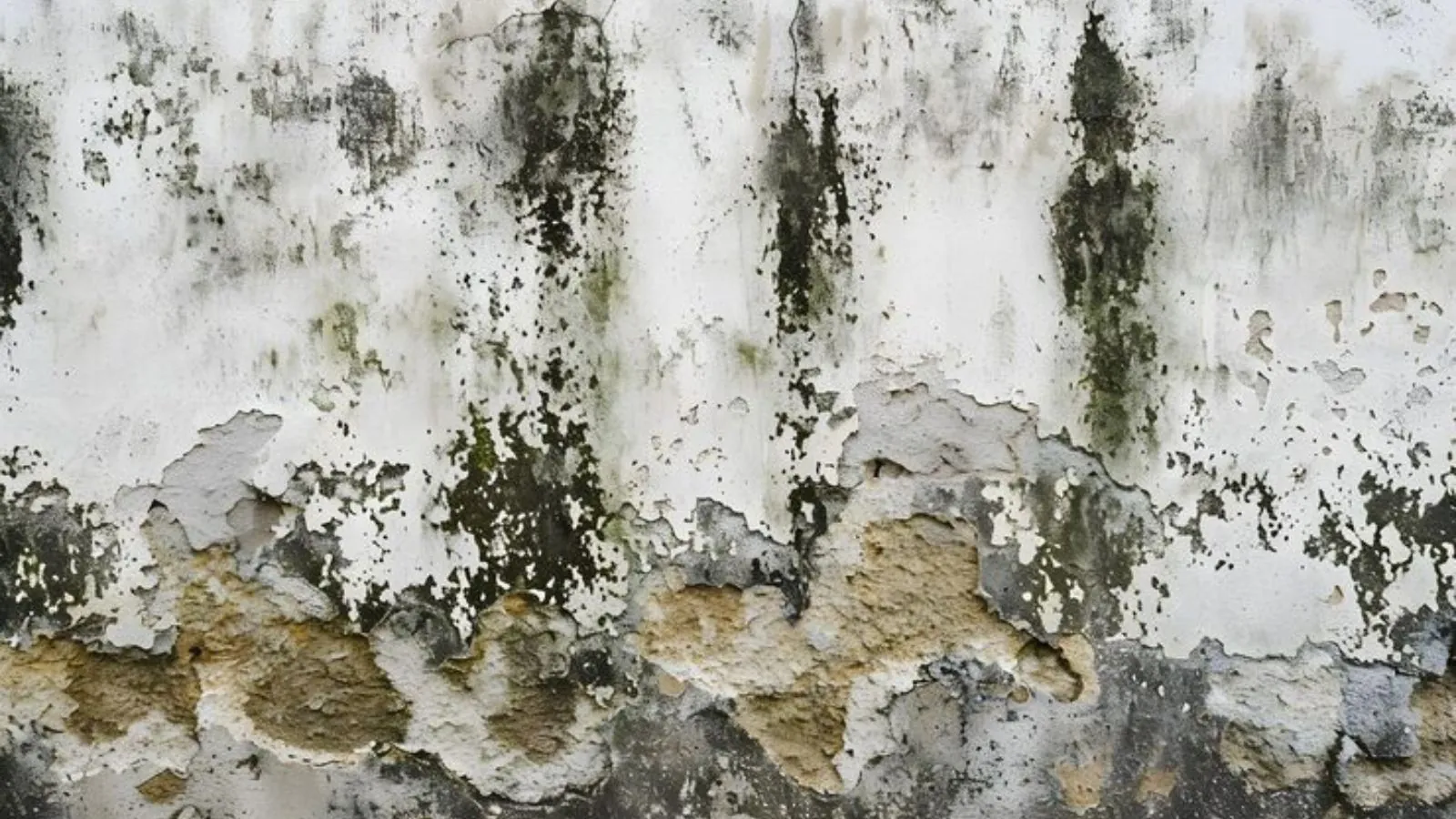
A home inspection turns up mold. The buyer wants it fixed, and sometimes the lender will not release funds until it is. At that point everyone starts asking for clearance. This guide explains what that word means, who provides it and how to avoid delays.
It is general information. Each lender and each contract sets its own requirements, so get those in writing.
What Clearance Testing Is
Clearance testing, also called post-remediation verification, is an inspection carried out after mold remediation to confirm the work area is clean and dry. It normally has three parts.
- Visual inspection. The assessor looks for any remaining visible growth, dust or debris in the work area.
- Moisture check. Meter readings confirm the materials are dry and the water source is fixed.
- Sampling, when requested. Air or surface samples from the work area are compared with samples from outdoors or an unaffected room.
The result is a written report stating whether the area passed.
Who Should Perform It
An independent assessor, not the company that did the remediation. The industry standard for mold remediation, ANSI/IICRC S520, describes verification by an independent indoor environmental professional. Independence is the whole point: a buyer or lender will give more weight to a report from someone with no stake in the result.
When hiring an assessor, ask about training, experience, which laboratory analyzes the samples and what the report will contain. Ask for a sample report.
What the Report Does and Does Not Show
| A clearance report can show | A clearance report cannot show |
|---|---|
| The work area had no visible mold on the inspection date | That mold will never return |
| Materials were dry on that date | Conditions in parts of the house that were not inspected |
| Sample results were similar to or lower than the comparison samples | That the air meets a legal standard, since none exists |
| The scope of remediation that was completed | Anything about health effects |
Mold spores are present in all normal air, indoors and out. A passing result means the work area looks like a normal environment, not that it contains zero spores.
The Usual Sequence in a Sale
- The buyer's inspector notes suspected mold or moisture.
- The parties agree who will arrange and pay for remediation.
- The moisture source is repaired.
- Remediation is carried out under containment.
- The area is left open, without new drywall, for clearance.
- An independent assessor inspects and samples.
- The report is shared with the buyer, agents and lender.
- Rebuild is completed.
The step people skip is leaving the area open. If new drywall is installed before clearance, the assessor cannot see the framing and may not be able to pass it.
Timing and How to Protect a Closing Date
Laboratory results commonly take a few business days, though faster options may be offered. Add time for scheduling the assessor and for any re-cleaning if the first attempt does not pass.
- Ask the lender or buyer, in writing, exactly what document they need.
- Book the assessor when you book the remediation, not afterwards.
- Fix the leak first. A damp area cannot pass.
- Keep the scope of work, photos and invoices together with the report.
No remediation company or assessor can promise that a lender will accept a report. That decision belongs to the lender.
Is Testing Always Needed?
For an ordinary household cleanup with no sale involved, often not. If mold was visible, it was removed and the area is dry, a careful visual check may be all that is needed. Testing earns its cost when a third party requires documentation, or when growth is suspected but cannot be seen.
The remediation itself is described on the mold remediation page. Drying the structure to a measured standard is covered under structural drying and dehumidification.
Local Note for Grandview, MO
What Missouri says about mold testing
The Missouri Department of Health and Senior Services states that there are no Missouri or federal laws that set limits or standards for mold, and that mold testing is not standardized. It also says that neither the state nor the federal government certifies mold testers, and that no particular level of training is required.
For a Grandview seller, two things follow. First, there is no official state pass mark, so the lender's or buyer's written requirement is what counts. Second, because testers are unregulated here, checking an assessor's qualifications is your job. Source type: state health department website.
Nearby Towns
The same state guidance applies to homes in Lee's Summit and Pleasant Hill. For remediation in those towns, ask the dispatcher about availability.
Mold Clearance Testing FAQs
Prefer to talk it through with a person? Call (833) 521-1033 at any hour.
Does Missouri require a licensed mold assessor for a Grandview home sale?
State health officials say Missouri does not certify mold testers and sets no mold standard. Requirements in a sale come from the contract and the lender, so ask them what credentials and report format they will accept.
Can the remediation company do its own clearance test?
It can check its own work, but an independent assessor is the accepted practice and is what buyers and lenders usually expect.
What to do if the area does not pass?
The remediation crew re-cleans the areas noted in the report, any remaining moisture is addressed and the assessor returns. Build a few spare days into the schedule for this.
How much does clearance testing cost?
It varies with the number of samples and the assessor. Ask for a written quote that lists the inspection, the number of samples and the laboratory fees.
Mold flagged in a home inspection? Call to schedule remediation around your closing date.
☎ Call (833) 521-1033