

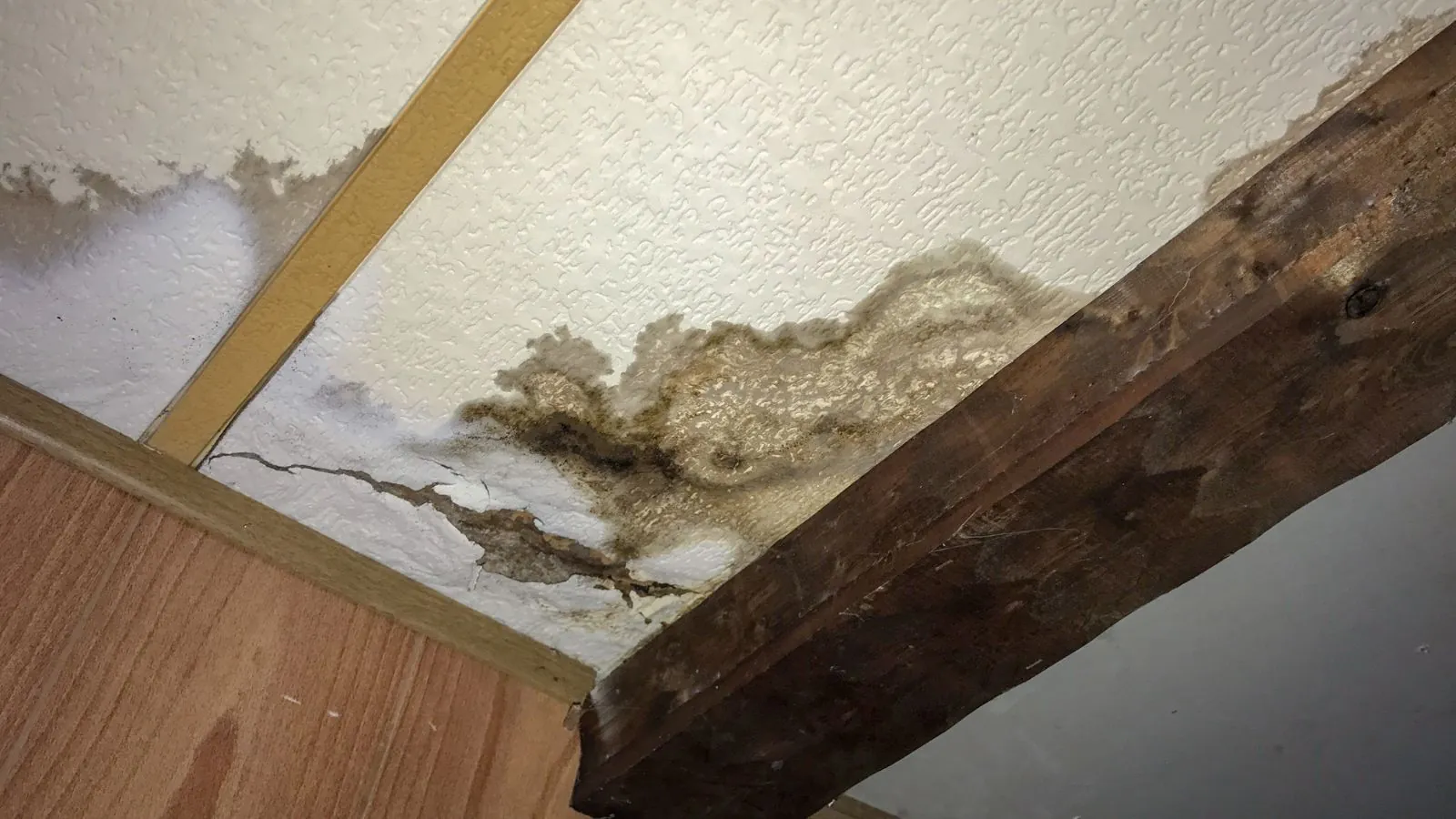
Most homeowners find out what their policy says about water on the day they need it. That is a stressful time to read fine print. This guide explains the general pattern insurers follow so you know what questions to ask.
One caution first. Policies differ, and only your insurer can tell you what yours covers. Treat this as background, then check your policy or ask your insurer or agent.
The Principle Behind Most Decisions: Sudden Versus Gradual
Homeowners insurance is built to cover accidents, not maintenance. For water, that usually comes down to one question: did the damage happen suddenly and accidentally, or did it build up over time?
A supply line that splits and soaks a floor in an hour is sudden. A drain fitting that drips inside a cabinet for six months is gradual. The first is often covered. The second is often declined as wear, neglect or long-term seepage.
The Missouri Department of Commerce and Insurance makes the same point about roofs. It notes that wear and tear and lack of maintenance are not covered, and that an insurer may pay to repair only the portion damaged by a covered cause.
A Quick Comparison of Common Situations
| What happened | How insurers often treat it | What to check in your policy |
|---|---|---|
| Pipe or supply hose bursts | Often covered as sudden discharge | Your deductible and any vacancy clause |
| Water heater tank fails | Resulting damage often covered, the heater itself usually not | Whether the appliance is excluded |
| Slow leak found after months | Often excluded as gradual damage | Wording on seepage and continuous leakage |
| Rain enters through storm damage | Commonly covered when wind or hail made the opening | Wind and hail deductible |
| Water rises from outside | Usually excluded as flood | Whether you have separate flood coverage |
| Sewer or drain backs up | Often excluded without an endorsement | A water backup endorsement |
| Mold after a leak | Often limited or excluded | Mold sublimits |
These are general patterns only. Your policy wording controls.
Flood Is a Separate Subject
People are often surprised to learn that flood is excluded from standard homeowners policies. The Missouri Department of Commerce and Insurance says standard policies generally do not cover flood losses and suggests looking under the Section I exclusions of your policy, where the water exclusion is usually listed.
Flood coverage can be bought separately. The department points to the National Flood Insurance Program, available through licensed agents, and to private insurers that write flood policies.
The Parts of a Claim People Miss
Coverage usually has three pieces. The dwelling portion pays to repair the building. The contents portion pays for belongings. Additional living expense may help with temporary housing if the home cannot be lived in.
Policies also expect you to prevent further damage once a loss happens. In practice that means closing the water supply and starting to dry the house. Reasonable emergency steps are normally part of a covered claim, and delay can give an insurer a reason to question later damage.
When standing water is involved, emergency water extraction is the usual first step, followed by measured structural drying.
What Helps a Claim Go Smoothly
Records worth keeping
- Date and time you found the damage and what you did first
- Photos and video of every affected room before cleanup
- The failed part, such as a split hose, if it can be kept safely
- An itemized scope of work and daily moisture readings from the restoration crew
- Receipts for emergency costs and for replaced contents
A restoration crew can supply documentation. It cannot decide coverage or negotiate with the insurer for you.
Local Note for Grandview, MO
What Grandview homeowners should know
Grandview has documented river flooding. In July 2017 the Little Blue River damaged 38 structures in the city, according to figures the city gave to public radio at the time, and some homes flooded again in August 2017. Homeowners near the river should not assume a standard policy would respond to a repeat.
Missouri residents with insurance questions or complaints can contact the Missouri Department of Commerce and Insurance, which runs a consumer hotline. Source types for this note: the state insurance department website and local public radio reporting.
Serving Grandview and Nearby Towns
Grandview Water Damage Pros provides documentation on every job in Grandview, and for homeowners in Lee's Summit and Pleasant Hill. Coverage rules are the same statewide, but each policy is its own contract.
Insurance and Water Damage FAQs
Prefer to talk it through with a person? Call (833) 521-1033 at any hour.
Does living near the Little Blue River in Grandview change my coverage?
It does not change what a standard policy covers, but it raises the stakes of the flood exclusion. Check the FEMA flood map for your address and ask your agent about flood insurance, since standard homeowners policies generally exclude flood.
Will my insurer pay for the plumber?
Often the resulting water damage is covered while the repair of the failed pipe or appliance is not. Some policies pay to open a wall or floor to reach the leak. Ask your insurer.
Should I wait for the adjuster before starting cleanup?
Report the loss promptly and ask, but do not let the house sit wet. Take thorough photos first, then stop the water and begin drying. Policies generally expect you to limit further damage.
Does filing a water claim raise my premium?
It can affect renewal pricing with some insurers. That is a question for your agent, who can explain how your company treats claims history.
Need the damage documented properly for your insurer? Call the 24/7 line.
☎ Call (833) 521-1033